How to teach children to save electricity - fun and useful
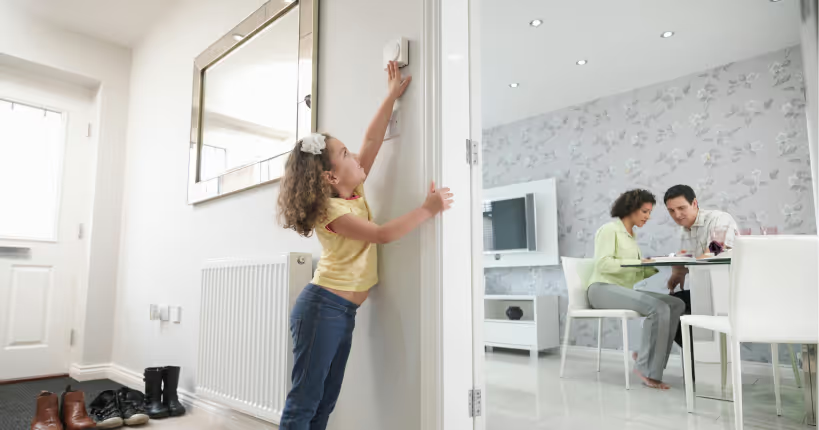

In the framework of the initiative of ENERGO-PRO “Energy for the Future”, aimed at promoting the responsible use of electricity, we share with you some practical ideas on how to help your children build energy-saving habits. We believe that a good example starts at home — and when children learn why every action matters, they become ambassadors for a sustainable future.
How to teach your children to save electricity — small lessons with great benefit
Nowadays, energy is part of every minute of our daily lives. That is why it is important from an early age that children understand how they can use electricity wisely. Saving energy is not just a habit — it is a value that builds responsibility towards nature and the future.
1. Start from the conversation
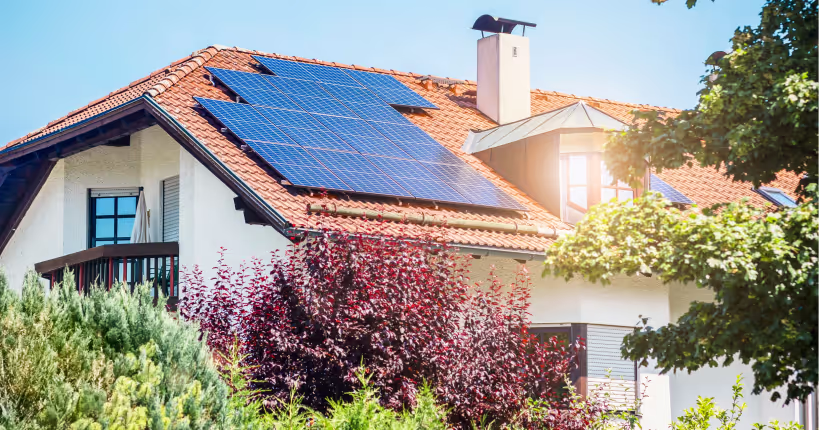
Explain to the children that electricity does not come “from the outlet”, but is the result of the efforts of many people and resources. Tell them how some of the energy is produced from renewable sources — sun, wind and water — and why it's important to use it wisely to keep nature clean.
2. Give a personal example
The strongest lesson is the one they see at home. When you leave the room, turn off the light. Remove the charger from the outlet after the phone is charged. When children see that it is part of everyday life, they will begin to do it on their own.
3. Turn saving into a game
Kids love challenges! Make an “energy team” at home — everyone gets points when they save electricity. For example: lamp turned off, TV turned off, charger removed. At the end of the week, the family can celebrate the victory with a small prize or a general activity.
4. Show the connection with nature
When in nature, talk about how clean air, rivers and forests depend on how we use energy. Thus, children will realize that saving electricity is part of the bigger picture — caring for our common home.
5. Teach them to recognize energy efficiency
Show them the energy efficiency labels of appliances at home. Explain why LED bulbs and energy-saving appliances are a better choice. When children participate in these decisions, they feel responsible and motivated.
6. Encourage and thank
Even small steps deserve recognition. Say “bravo” when the child turns off the lamp or does not leave an appliance on standby. So you will turn saving into a positive habit, not an obligation.
With what is it useful for children?
Builds a sense of responsibility
When children learn to save electricity, they realize that their actions matter. This builds a habit of thinking about the consequences of their decisions — an important life skill that will help them in other areas as well.
Develops ecological thinking
By explaining to them why saving energy helps nature, children begin to understand how the world works around them — how resources are limited and why it is important to conserve them. This creates an ecological culture from an early age.
Encourages critical thinking and curiosity
When we involve them in topics like “How does electricity work?” or “What does renewable energy mean?”, children learn to ask questions and look for answers. This stimulates logical thinking and scientific interest.
Improves self-discipline and habits
Remembering them to turn off the lamp or TV seems small, but it actually trains attention, self-control and perseverance — qualities that help them learn as well.
Strengthens the family bond
When saving energy becomes a family game or mission, children feel that they are participating in something important for everyone. This builds team spirit and creates positive common moments.
Nurturing values for a sustainable future
Children who, from an early age, understand how to use resources with moderation, later become adults who think about the world around them — clean air, water, nature and the common good.
To teach children to save electricity means to teach them to be conscious, caring and responsible people. This is a small step today that has great power for their future.
ENERGO-PRO tip:
Saving energy is an investment in the future. Every little gesture matters — especially when it comes from the next generation. Let's build a culture of responsible consumption and sustainable development together.