ENERGO-PRO offers customers advice on energy-efficient operation of electrical appliances
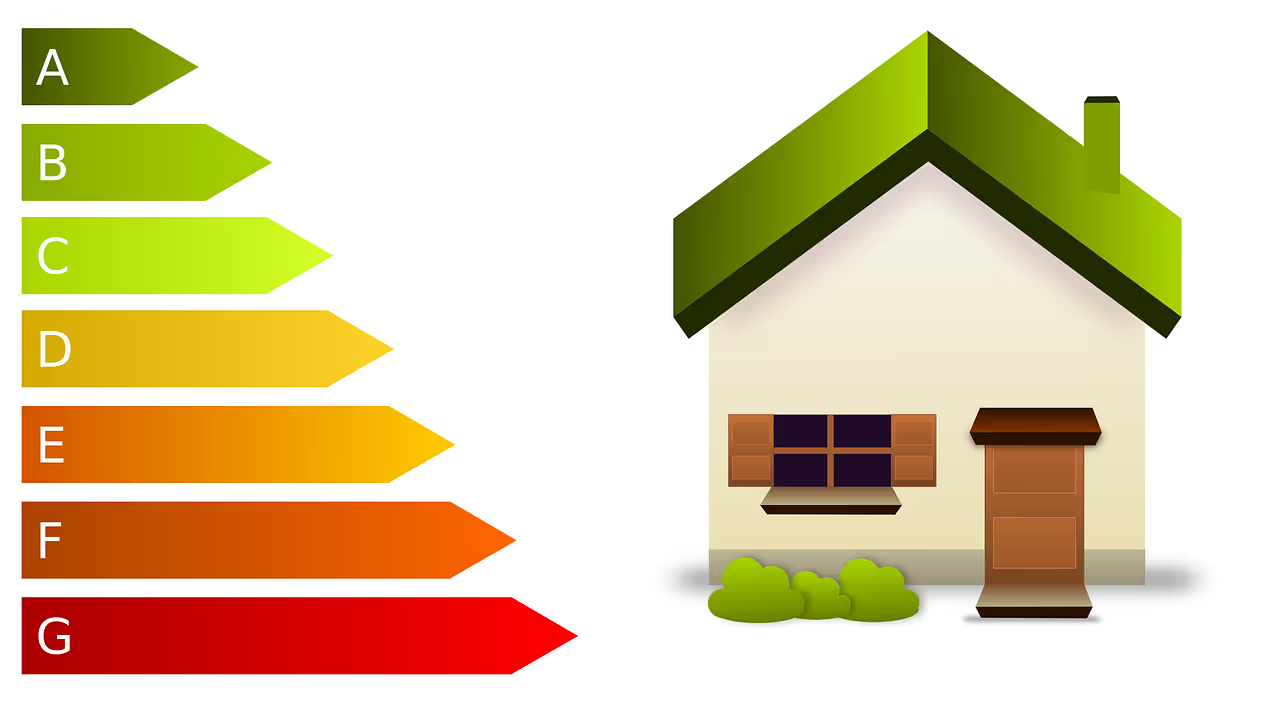

In support of its energy efficient policy, ENERGO-PRO periodically offers its customers advice on saving electricity. During the colder months of the year, sticking to them can significantly reduce electricity bills.
Energy efficiency in households is a way of thinking. In order for there to be a result of our actions, we need to be aware of which appliances consume the most electricity and monitor for their optimal operation. Such are the heating and cooking appliances, the iron, the hair dryer, the toaster, the water heater, the dryer, the dishwasher, the washing machine. Where this is possible, including them on a nightly rate results in lower electricity bills for consumers. It is also advisable to use high-class energy-efficient appliances.
Here are some of the ways to increase energy efficiency in our homes, especially in relation to the use of significant current consumers:
· Bet on thermal insulation and quality seals
· Use energy-saving blinds and glazing
· Ventilate briefly with windows wide open
· Turn off the heating in rooms that are not in use
· Do not cover or obstruct heating appliances
· Keep the thermostat away from the refrigerator and heat sources
· Close the water tap whenever you can to save hot water
· Use the shortest possible programs of the dishwasher and washing machine and turn them on only when they are full, but not overloaded
· In the dryer, dry clothes of similar weight together
· Do not keep the refrigerator door open for a long time
· Do not leave unclosed liquids in the refrigerator because they affect the operation of the compressor
· For better performance, defrost the camera when it freezes
· Allow warm dishes to cool before putting them in the refrigerator
· Periodically check the seals of the refrigerator
· Buy a refrigerator of a suitable size for the needs, as for its efficient operation, do not overfill it and do not keep it almost empty
· Place the refrigerator away from heat-emitting appliances
· When cooking, use the right amount of liquid, a lid, as well as a suitable diameter of the hob to prevent energy loss
· Avoid opening the oven excessively during cooking, because this way it loses from 50 to 100 degrees of its temperature
· Turn on the oven in advance only if the dish requires it and turn it off 5-10 minutes before the end of cooking without opening it
· For cooking in small quantities, use a frying pan and other smaller dishes
· When cooking in ceramic or glass dishes, the temperature can be reduced by 20 degrees, since these materials retain heat better
· Do not place heating and cooling devices next to each other — each causes the other to work less efficiently.